
Dermatology and aesthetics marketing
Built around your cash-pay mix, not general brand awareness.
Dermatology and aesthetics marketing works when it grows the medical-to-aesthetic mix that determines your margin: cash-pay visits, injectable retention and membership enrollment, alongside the Mohs referral pipeline that keeps your surgical calendar full. We build campaigns around procedure mix and rebooking behavior, then report in cash-pay revenue per visit and retention rather than in general visibility.
What actually drives volume in dermatology and aesthetics
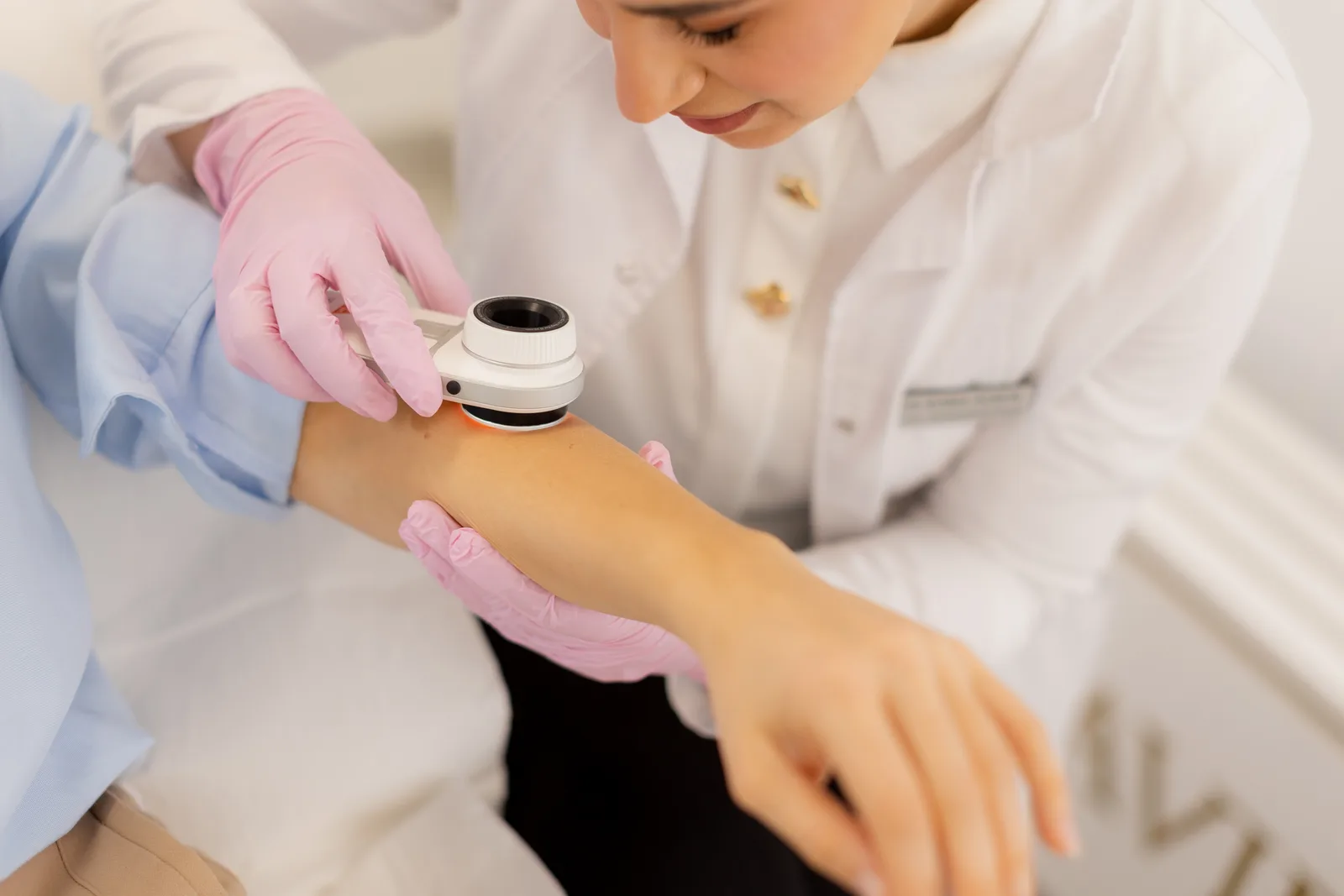
A dermatology practice runs two businesses under one roof: medical dermatology, largely insurance-driven and referral-fed, and aesthetics, cash-pay and elective. The two are marketed completely differently, and a campaign that treats them as one audience underperforms on both.
The medical side grows through referral pipeline strength, particularly for Mohs surgery, where the constraint is the referring dermatologist and primary care network, not consumer marketing. The aesthetic side grows through a different mechanism entirely: retention and rebooking of an existing patient base into recurring, cash-pay revenue, alongside new-patient acquisition for the injectable and device treatments that carry a practice's best margin. Most of the volume opportunity in a mixed practice sits in retention, not acquisition, because a patient who already trusts you for one injectable is the easiest sale in the practice for the next one.
The procedures marketing moves, and the ones it doesn't
Marketing moves injectables (neuromodulators and fillers), laser and device treatments, membership program enrollment and retail product attach at the point of visit. Marketing moves Mohs surgery indirectly, by strengthening the referral relationships that feed it, not by advertising the procedure itself to consumers.
Marketing does not create urgent medical dermatology volume (a suspicious lesion, a rash that needs same-week attention); that demand exists independent of marketing and mostly needs a fast, findable scheduling path rather than persuasion.
How these patients decide
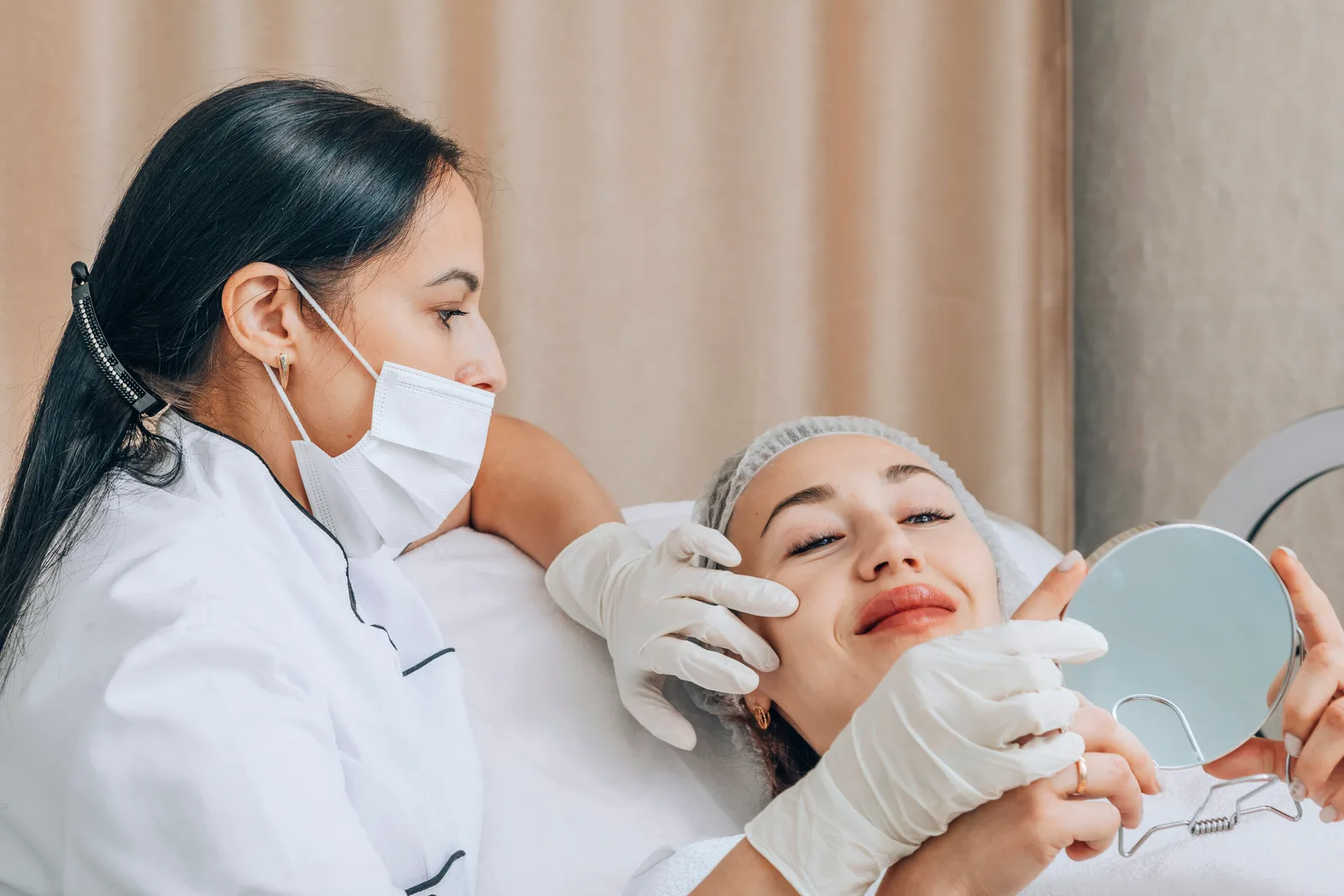
The aesthetic patient is comparison-shopping on trust and visible results before ever booking, often influenced by a specific injector's reputation rather than the practice name, and rebooking depends heavily on how the first visit felt, not just its result. The medical patient referred for Mohs surgery has usually already decided to have the procedure; the marketing job there is removing friction (fast scheduling, clear pre-procedure information) rather than persuasion.
The three metrics that matter here
Cash-pay revenue per visit is the number that actually reflects whether the aesthetic side of the practice is growing, independent of volume. Injectable retention and rebooking rate can indicate if a practice is running a leaky, expensive acquisition funnel instead of a membership business. And Mohs referral pipeline health is tracked separately from consumer marketing metrics, since it lives or dies on physician relationships.
Selected healthcare work
Selected healthcare work includes Rock Dental Brands, a multi-location dental organization, and Westrock Orthodontics, an orthodontic organization. The results below are attributed to those organizations.
Rock Dental Brands
Our work with Rock Dental Brands, a cash-pay-focused, multi-location model measured in booked appointments and acquisition cost by market, produced a $9 million increase in annual revenue across five states.
Westrock Orthodontics
Westrock Orthodontics saw nearly a 50% increase in new patients in target areas through NIL and influencer marketing, the clearest example we have of local influencer-driven proof for an elective, image-conscious category close to aesthetics.
Questions we get
Should we market medical dermatology and aesthetics the same way?
No. They have different buyers, different decision cycles and different economics. Treating them as one audience is the most common mistake we see in this category.
We already have a loyal injectable client base. What's left to market?
Usually more than practices expect. Rebooking rate and cross-sell into a second treatment line are almost always underdeveloped, even in a practice with a strong existing base, and they're cheaper to grow than new-patient acquisition.
Can marketing grow our Mohs referral volume?
Indirectly. Consumer marketing doesn't influence a referring physician's decision. Strengthening the referral relationship and making scheduling frictionless for a referred patient does.
Do membership programs actually work for aesthetics?
They work when built around a specific retention mechanic, not just a discount. We build membership offers around what keeps a patient rebooking, not just what gets them to sign up once.
What should we measure instead of general engagement?
Cash-pay revenue per visit, injectable rebooking rate and referral pipeline health for the medical side. If your current reporting stops at social engagement, you're not seeing the number that reflects the business.